S.21
Bojagi & Jogakbo
Korean patchwork traditions between craft and design
Mon 27 - Fri 31 July 2026
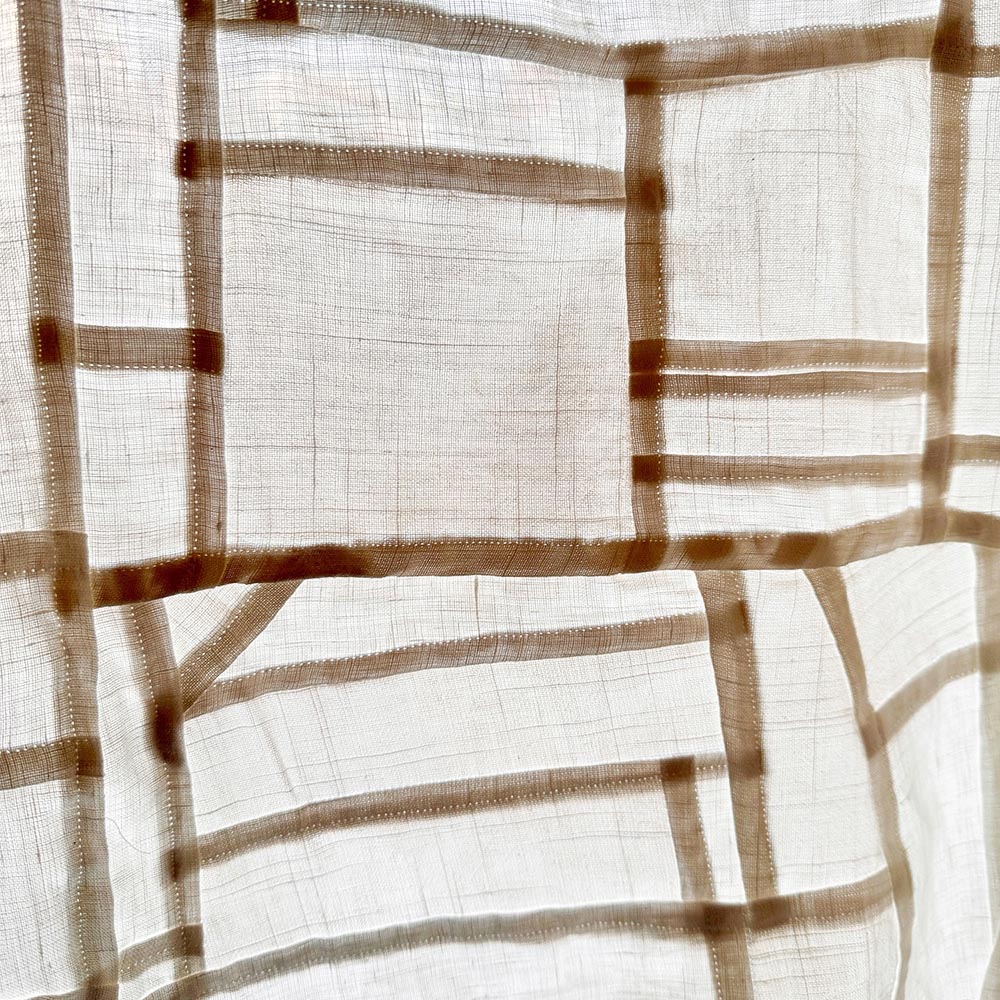
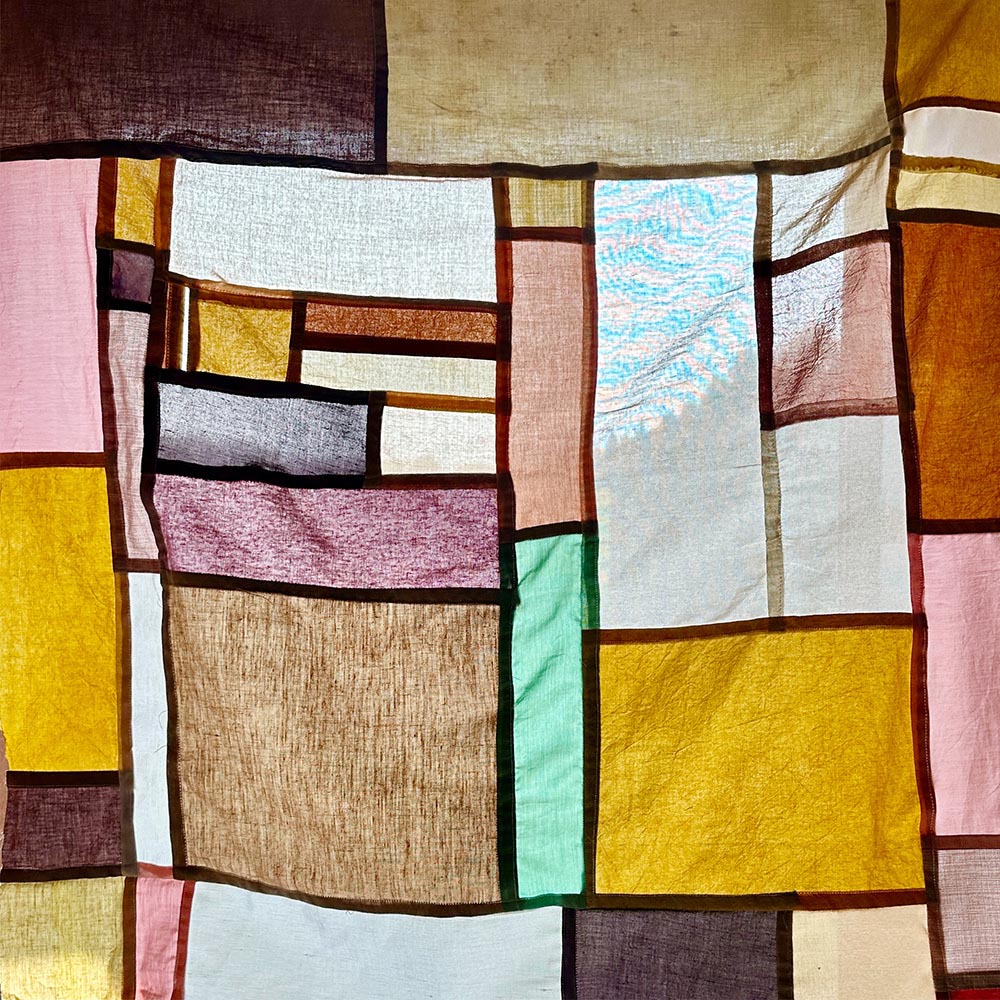
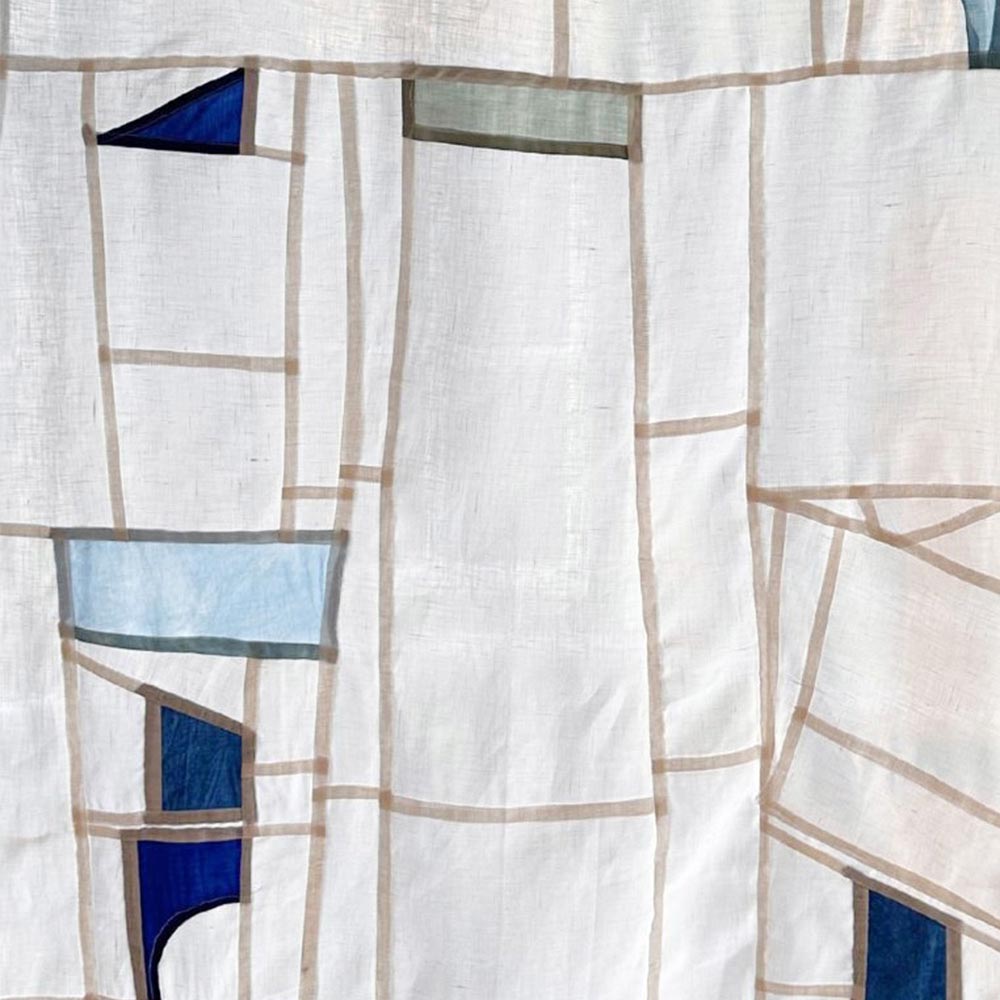
A bojagi is a traditional Korean textile cloth in which scraps of fabric are sewn together to create fine, often transparent surfaces. The best-known form is jogakbo - a geometric patchwork in which precisely executed, visible seams are deliberately used as a design element. Traditionally, a bojagi is used as a wrapping and gift cloth and symbolises care, appreciation and sustainability.
In this course we will learn the Jogakbo technique and apply it in practice by designing and realising our own Bojagi cloth. We will work with transparent and opaque fabrics such as silk, ramie, cotton or linen and will focus on stitching techniques, colour effects, composition and surface division. Sewing is done both by hand and with the sewing machines available, whereby the special features and qualities of both working methods are taught. The course combines traditional knowledge with contemporary design approaches and accompanies the entire process from the first exercises to the finished work.
Group of participants: all interested parties
Requirements: Basic sewing skills
Number of participants: max. 12 people
Course language: German, English if required
Course times: Mon - Thu 9:00-12:30 and 14:00-17:30, Fri 9:00-12:30 and 14:00-16:00
Course fee: 420 euros, for students 380 euros (excluding material costs)
Course instructor: DÖRTE BUNDT, Germany
Born 1983 in Germany, lives and works in Berlin since 2009. Artist, craftswoman, designer, curator and has been working internationally as a lecturer in the textile sector for over 10 years. Trained as a jewellery designer in Sydney, since 2015 self-taught in macramé, weaving, jogakbo and vegetable dyeing. Exhibitions, workshops and art residencies in Mexico, Italy, Switzerland, Montenegro, the USA and Germany, among others
More info: dortebundt.com