

L03
Vienna cane
Thu 19 – Sun 22 November 2026
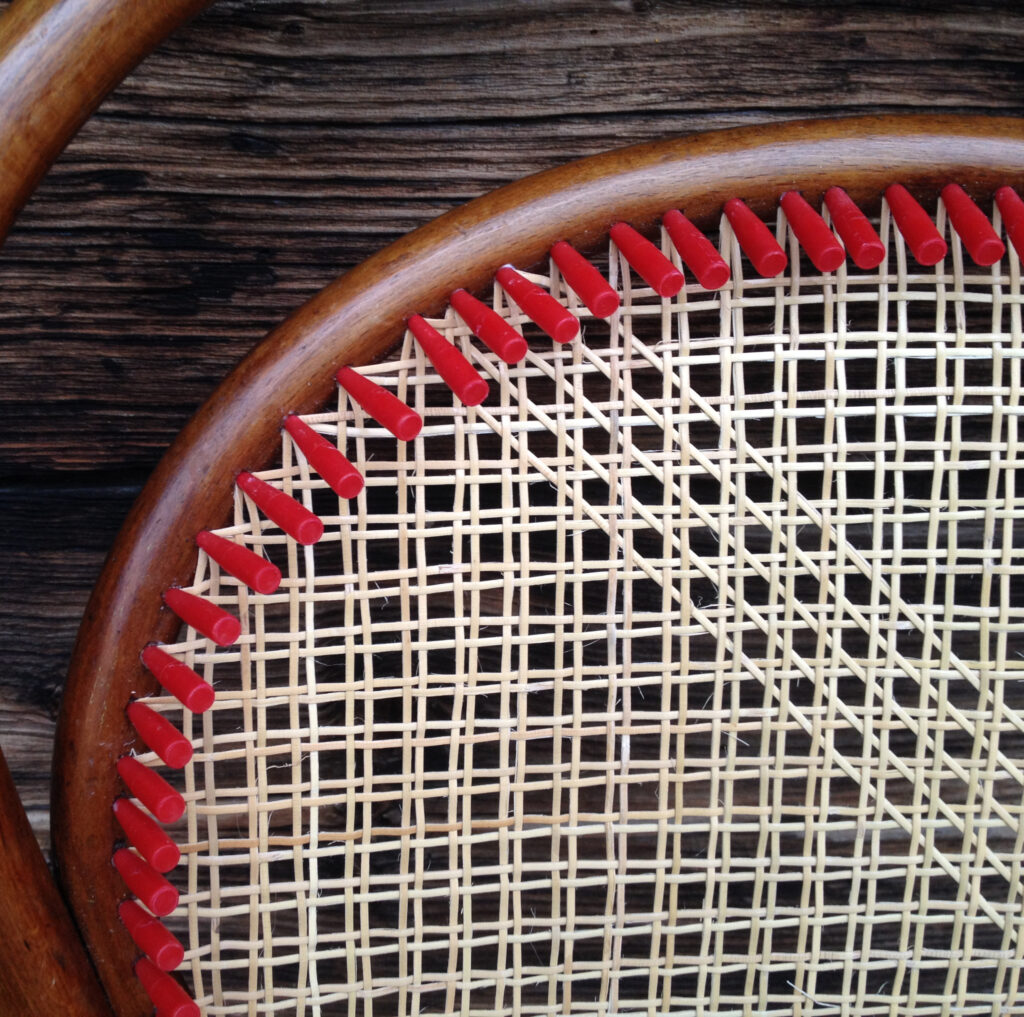
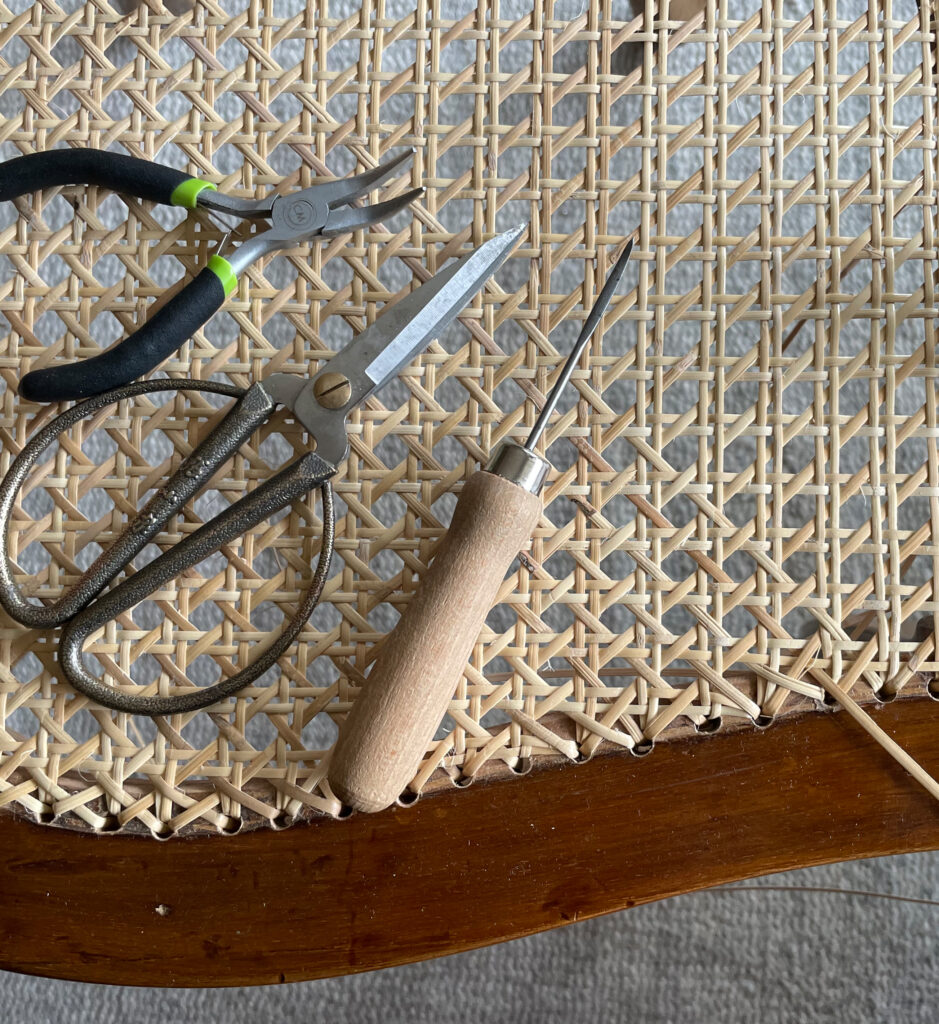
Viennese cane webbing, or octagonal webbing, is generally associated with chairs from the Thonet company. When used as a seat or backrest, it combines the qualities of durability, elasticity, and breathability, and remains popular today for many high-quality chairs, even if these are often no longer made by traditional handcraft.
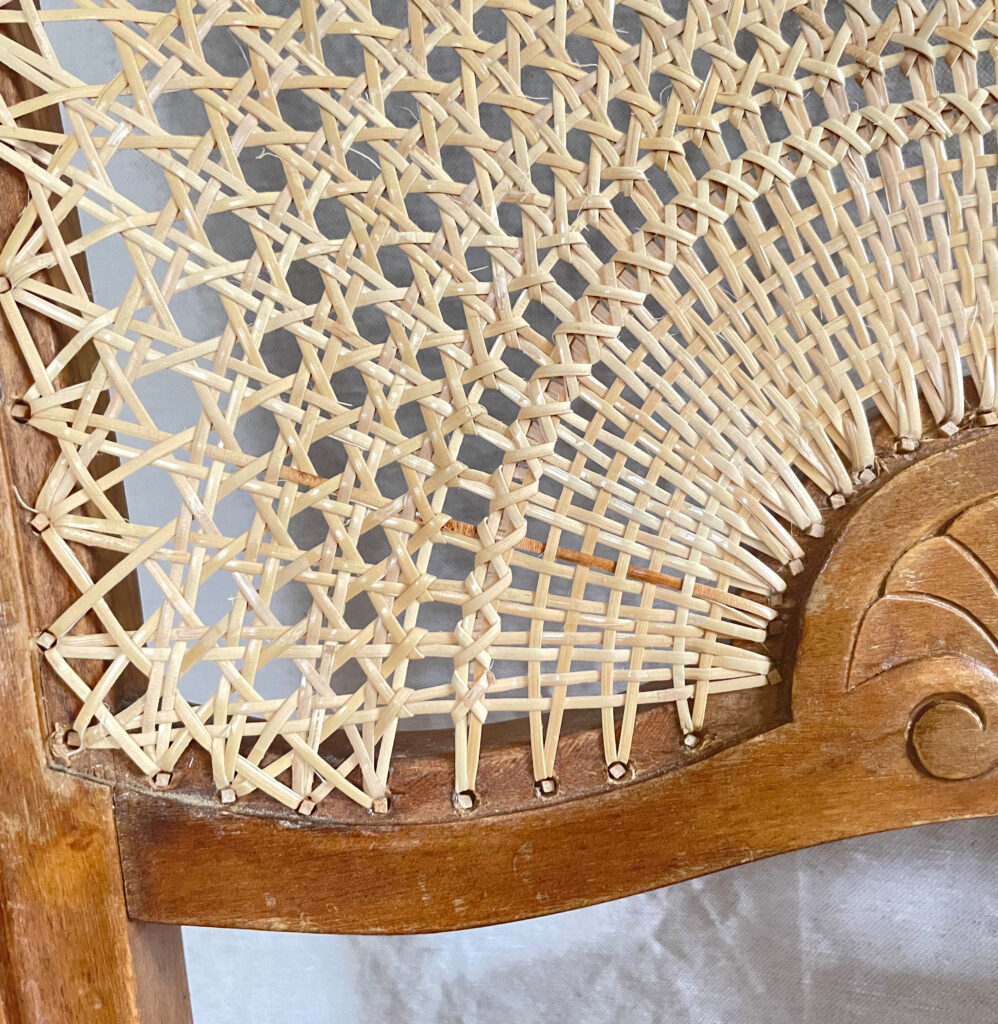
In traditional Wiener Geflecht, long, thin rattan strips are woven horizontally, vertically, and diagonally through holes at the edge of the seat frame (or backrest), creating the characteristic pattern.
In the course, we are learning how to restore or re-cane a chair with damaged Vienna caning. From removing the old caning and any necessary treatment of the wooden frame, to choosing the correct cane thickness, we will systematically approach each practical work step.
Group of participants:: all interested parties; restorers
Requirements:None; Participants bring their own chair to restore (or a self-built frame - instructions will be sent upon registration if needed).
Number of participants:max. 10 people
Course times:Mon-Sat: 09:00–13:00 and 14:30–18:00, Sun: 09:00–13:00
Course fee:€350, for students €320 (excluding material costs)
Course leader: CLAUDIA LABEK, Austria
Born in 1969, studied Political Science and Philosophy at the University of Innsbruck. Since 1995, has been a self-taught seamstress and has worked in dressmaking for designers in Vienna and Innsbruck. 2011–2014, completed a part-time basket weaving qualification at the Alpine Nature and Wilderness School in Mutters. 2010–2021, taught textiles and technical crafts at the Free Waldorf School Innsbruck. Since 2022, has been self-employed as a basket and chair weaver in Innsbruck.